Celebrating AAPI Literature (By Ms. Pelman)

Out of countless prodigious options, here are four books that Iโ€™ve read recently written by Asian American authors. They each represent just one facet (of infinite) perspectives. While these books take on wildly different subject matter, each one is fascinating, eye-opening, and riveting in its own right.
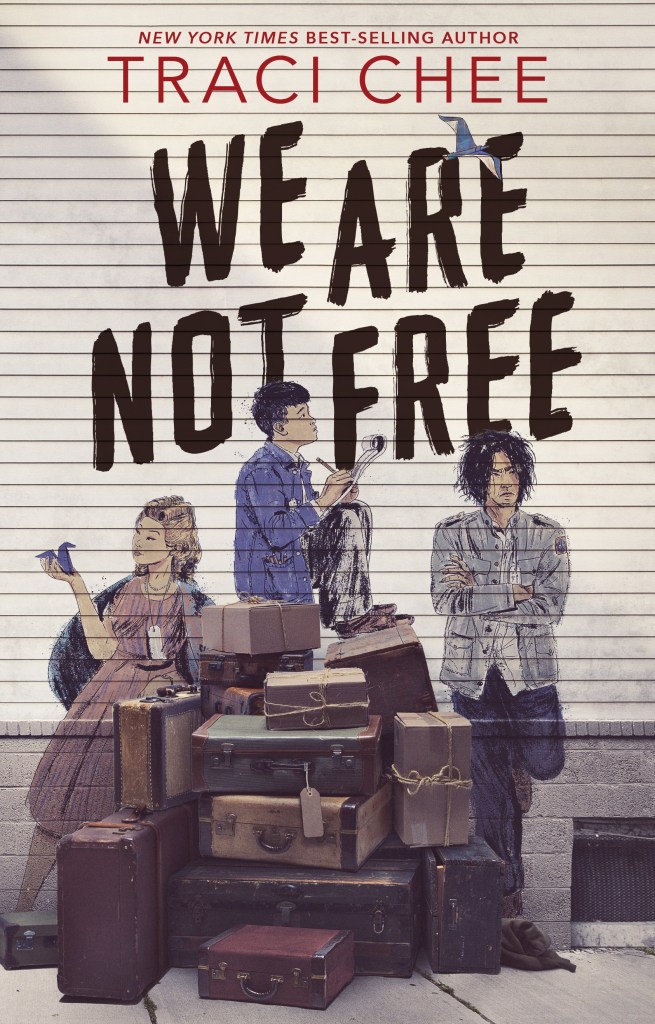

We Are Not Free by Traci Chee

This work of historical fiction follows a group of Japanese American teens who live in San Francisco during World War II. Their lives are thrown into tumult and their bonds are tested as some of them face the decision to fight in the war, and others are sent to an internment camp. If you like books told from multiple perspectives, you wonโ€™t be let down by this vivid and moving book.


Interior Chinatown by Charles Yu
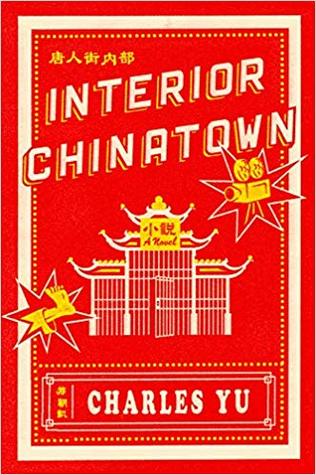
This offbeat National Book Award winner is written in a screenplay format. Willis Wu is a Chinese American actor who hopes to graduate from the bit parts of โ€œgeneric Asian manโ€ to the ultimate role for Asian men: Kung Fu Guy. Clever, funny, and fast-paced, this book skewers Hollywood in the most satisfying way.


Last Night at the Telegraph Club by Malinda Lo

Another historical fiction set in San Francisco, though this one follows Lily, a shy and obedient girl living in Chinatown in the 1950s. As Lily navigates a growing discomfort with her family, culture, and best friend, she discovers truths about herself and her sexuality that will change her life forever. A lovely tribute to self-discovery amidst painful realities.

Minor Feelings by Cathy Park Hong
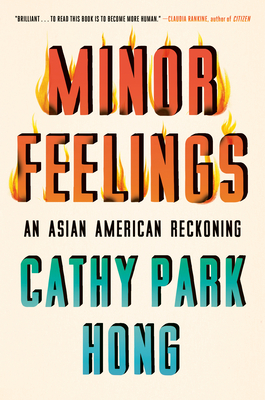
This nonfiction book of essays contains brilliant commentary and criticism on race in the United States as the author explores and explains her Korean American identity. It is also beautifully written and complemented by memoir-like personal experiences. A memorable experience that makes you think and feel.

Have you read any great books by AAPI authors? Share them in the comments!

Introducing: Fanfiction contest

The Harker Book Blog is hosting our first ever FanFiction Contest!! You can write about any work (book, movie, television, show, K-Pop groupโ€ฆ). Spin the original work into anything that you want (for example: rewrite Twilight from the perspective of Jacob, or make Percy Jackson have a brain made of seaweed that zombies want to eat). There is no length requirement, but we recommend your writing be 1-5 pages long.ย Your story can comprise all your marvelous imaginings, but the content must be Harker appropriate. The deadline to enter is May 1st at 8pm!

Feeling shy about this secret talent of yours? Not to worry, you are allowed to submit under a pen name and can therefore remain entirely anonymous! 

We will announce winning entries on the blog. To avoid any copyright issues, submissions will only be accessible to the Harker community via protected PDFs. Feel free to email harkerusbookblog@gmail.com if you have any questions, or if you would like prompt ideas for your story. 

For more info and to learn how to enter, go to tiny.cc/harkerfanfic. We look forward to reading your entries!

The Picture of Dorian Gray by Oscar Wilde (5 Star Review by Ananya B. ’23)

The Picture of Dorian GrayThe Picture of Dorian Gray by Oscar Wilde
My rating: 5 of 5 stars

The Picture of Dorian Gray is a philosophical novel featuring main characters Basil Hallward, Lord Henry Wotton, and of course, Dorian Gray. Basil Hallward is an artist who paints a portrait of Dorian Gray, and Lord Henry is a friend of his who has extremely questionable morals and ideals, unlike those that Dorian has been exposed to before. I loved this book, mostly because of the characters themselves.

First, we have Dorian Gray, who starts off the novel as a young, naive, child-like character, but he undergoes many changes and a great deal of character development throughout the novel, mainly under the influence of Lord Henry. I honestly cannot tell if I loved or hated Lord Henry, who brings up numerous witty and intelligent insights and ways of thinking. He corrupts Dorian with his deplorable deeds and persuasive words.

Next, there is Basil, who is the foil to Lord Henry, serving as the angel to his devil. The relationships between the characters, their interactions, and how they influence each other was engrossing, although I would have liked to have seen more of Basil and Dorian.

My one main criticism of the book is that Wilde sometimes goes on long tangents describing furniture, tapestries, and other such things. However, Wilde explores the themes of depravity, corruption, and hedonism in an enthralling and captivating way, forcing the mind to think about different philosophies and their effect on a person such as Dorian. โ€”Review by Ananya B. โ€˜23

View all my reviews