“I can’t believe that they have desecrated something so sacred!” I burst out as soon as the Allegiant movie credits flashed onto the screen. My family can attest to that.
Let me back up.
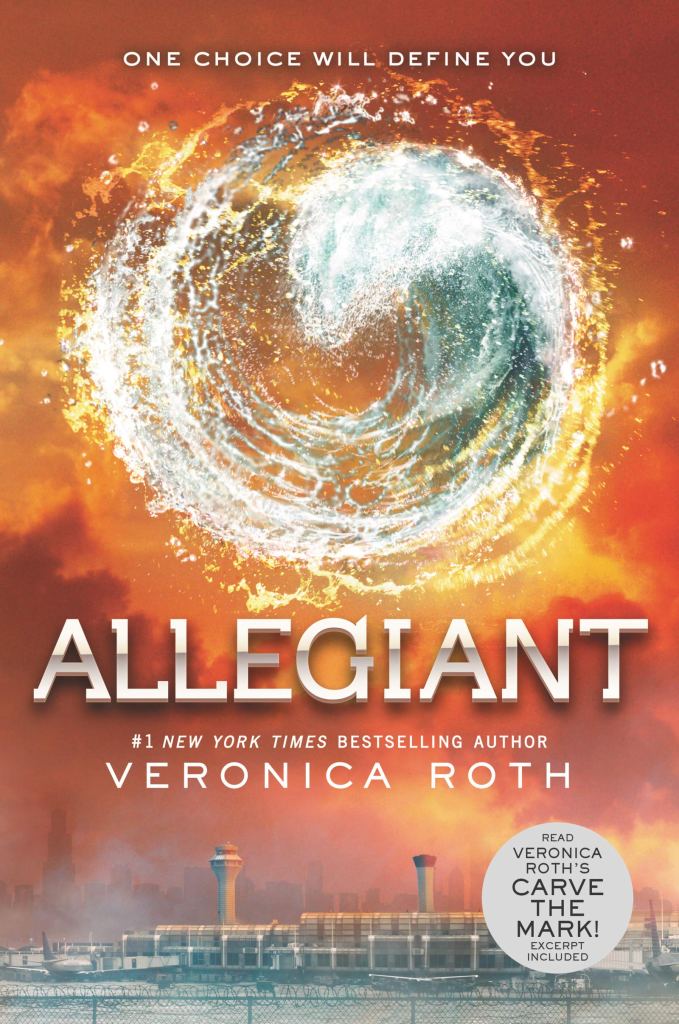
Allegiant book cover
Allegiant movie poster
In fourth grade, I finished the sumptuous feast that is the Divergent series, books that were so important to me in my childhood. Having been pleased years ago by the first movie adaption of the series, I had high, high hopes coming into the Allegiant movie…that you can already guess were not fulfilled.
[Warning: Reading ahead will reveal spoilers for the Divergent series]
If you’re familiar with the book and you’ve seen the movie, then you already know my largest grievance. Come on, say it with me out loud, and let’s relieve our agony together: orange!!
In the book, the world outside of Chicago is described as gloomy and dark, but in the movie, we get Kraft’s mac-and-cheese-flavored radioactivity!
I have no problem whatsoever with producers taking creative rights with the storyline—if the movie were the same as the book, no one would want to watch it, right?
Wrong.
Little plot meanderings and trimmings here and there will make a movie more enjoyable to sit through, but when it’s obvious that a three hour film won’t do justice to such a heavy book’s plot, then the movie project must be split into two. (Think Harry Potter and The Hunger Games.) Allegiant undoubtedly fell under this category, and I’m devastated that instead of making two films, the movie cut out half of the book’s plot, half of the characters, and hacked away at Veronica Roth’s masterpiece until it arrived at a sloppy post-apocalyptic world.
Uriah who? Cara who? So many members of the crew that accompanied Tris and Tobias out of Chicago weren’t present at all. Instead, the movie blew 90% of its precious duration on slow camera pans to show off “breath-taking”—but really, irrelevant—technology.
However, I did appreciate a few parts—that is, when I wasn’t being blinded by the orange. In spite of the twisted storyline in the movie, the script stayed true to the main characters’ identities. Tobias was Theo James (sorry but I can’t find any flaws with that.) Evelyn, his dictator mother, maintained her redemptive arc in the end, giving up power to be with her son. Peter, the “bad guy” who hangs out with the “good guys,” was sharp, sarcastic, and self-absorbed. My favorite line of the movie was “[t]hat’s why you pick a guy like me for a job like this,” intended for his boss to hear, which he delivers after shooting Evelyn in the knee when she turns back on their dark plan.
But, ok, I’ve reached my last complaint: Tris didn’t die in her quest to restore goodness in the world. This movie doesn’t deserve the name Allegiant if the ending doesn’t plunge its claws into your chest, wrench your heart out, and render you a sobbing shell of a human being for the next week.
Have you watched Allegiant? Share your thoughts in the comments! — Ritu B. ’24
For those who enjoyed this book, Ritu has recommended The Lunar Chronicles series for you to check out!
At this point, I believe this book is infamous. If you have not read it, you have certainly heard about J.D. Salinger’s The Catcher in the Rye. It seems that people either love to love it or love to hate it with no in-between. Before reading the novel, I was sure I would hate it. However, I was gravely wrong as in the book, I found the story of a deeply troubled boy who desperately needed someone to help him.
The Catcher in the Rye is a novel about a 17-year-old boy named Holden Caulfield, who, upon being kicked out of his prep school, goes on a three-day stint in New York City before he has to face his parents and tell them of his expulsion. Holden’s declining mental state is also hinted at throughout the novel and is the source of many of his rash decisions and actions.
In my opinion, many readers immediately cite Holden’s pretension, pessimism, and insufferability as the reason why they vehemently despise the novel. I believe that this is a severe disservice to Salinger’s book. Through looking deeper into Holden’s psyche, one finds a deeply damaged, isolated, and depressed boy. Holden has clearly been profoundly affected by the passing of his brother, and with allusions to possible sexual abuse/harassment, is left to fend for himself without the help he so desperately needs.
What is also interesting is the number of teenagers this book resonates with, especially male-identifying ones. Many see themselves and their perspective on the world represented through Holden’s bleak narrative. I find that this points to a larger problem surrounding how we should set out to remedy the youth’s dreary outlook on life, but that could just be spurred by the onset of changes and hormones so entwined with teenage life.
Overall, The Catcher in the Rye thoroughly surprised me, and I especially recommend it to those, who, like me, think they will despise it, as maybe, just maybe, it will surprise you too. —Review by Emma A. ’21
The countdown clock to register for ReCreate Reading 2021 has started, and here at the Book Blog, we couldn’t be more excited! Just to recap, ReCreate Reading is the Harker Upper School’s free choice summer reading program, and this year’s registration opens next Monday, March 8th, at the start of club period/office hours!
With nearly 70 books, a wide range of genres, and 7 author visits (check out slide 1), you have a huge list to choose from! Unsure how to pick your book? Don’t worry, we feel you. The struggle is real.
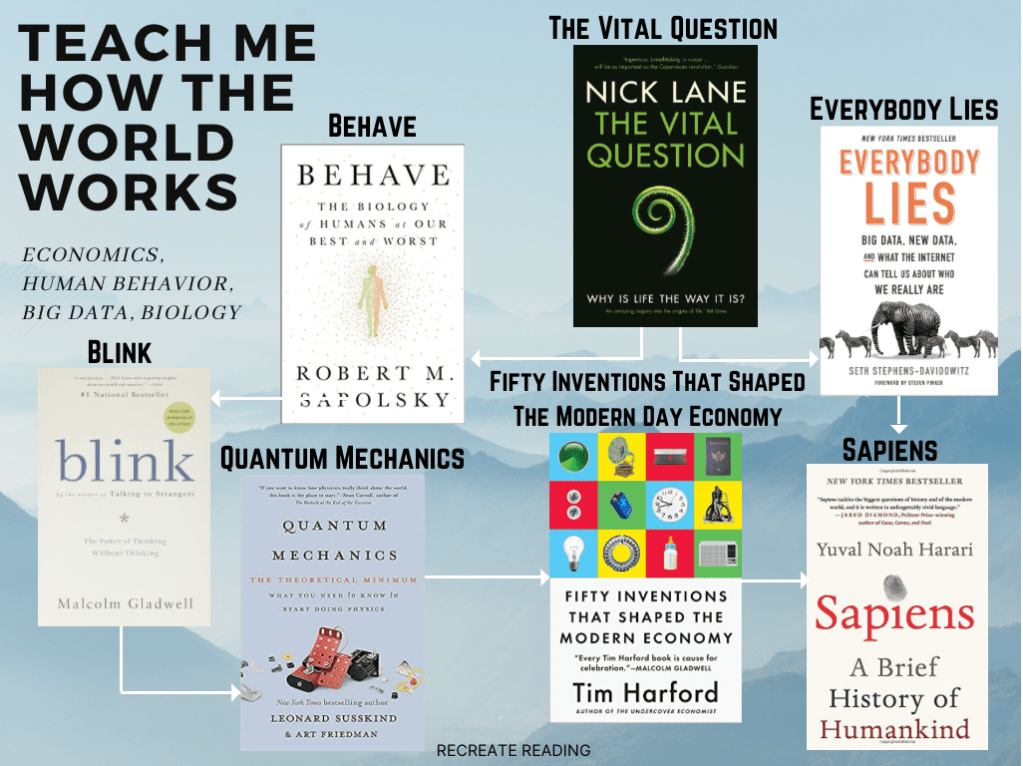
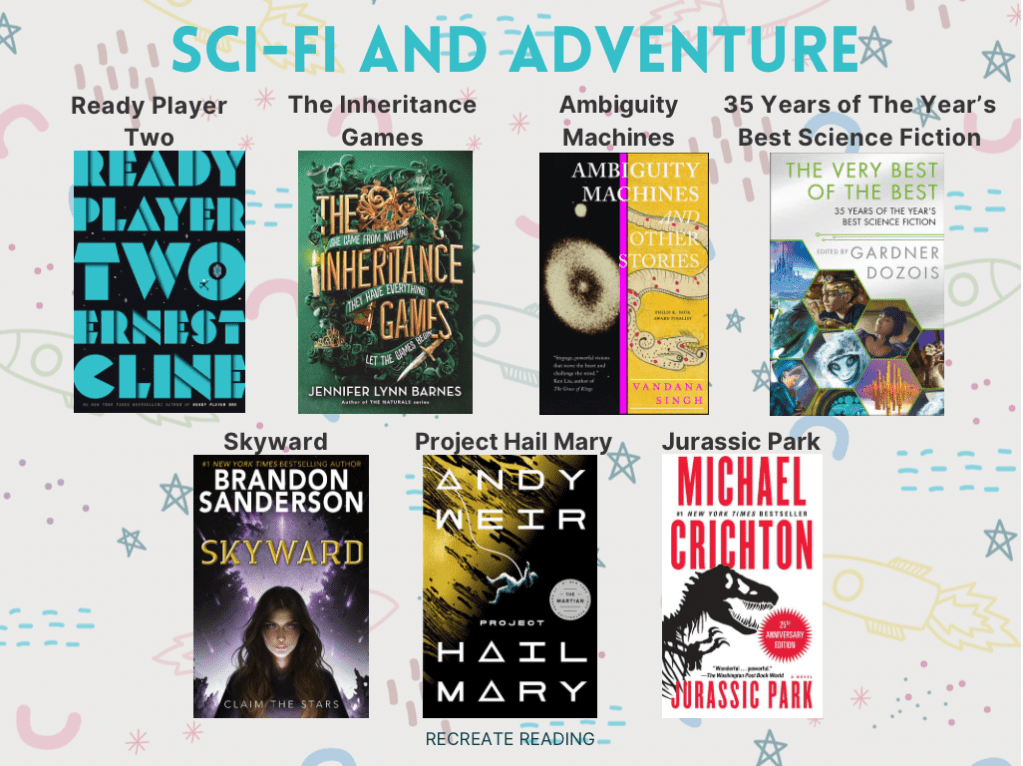
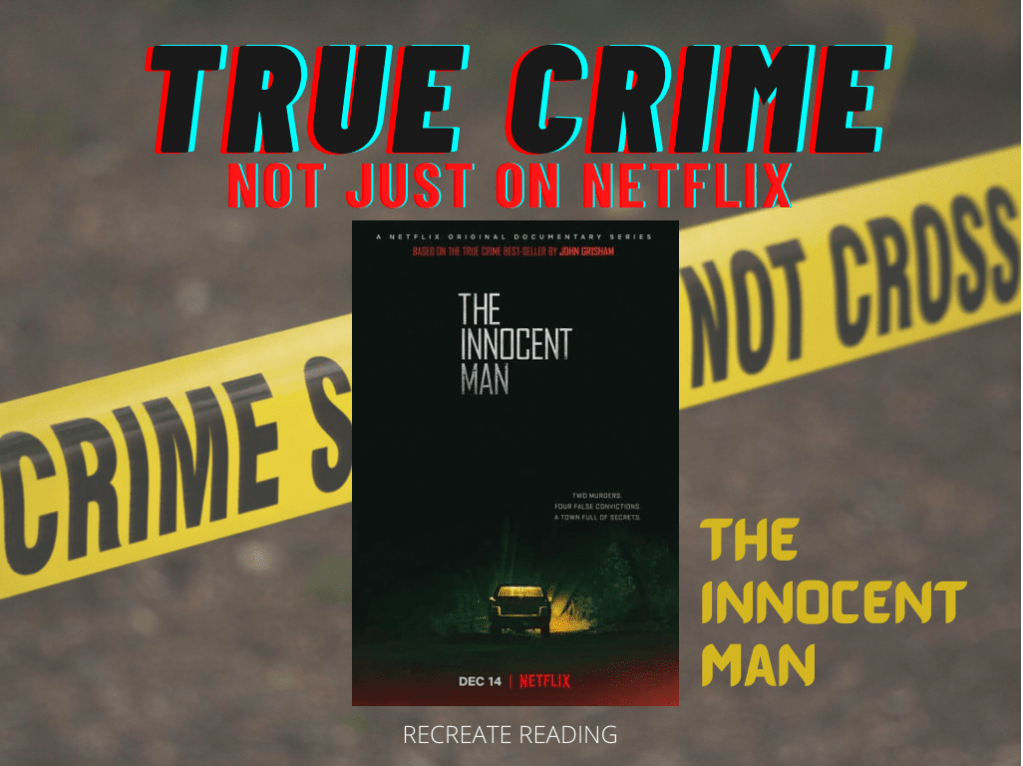
The good news is, you’ve come to the right place! Are you looking for a magical adventure? Or maybe some mind-expanding science fiction? Crave a good scare with a horror novel? How about some nonfiction—were you thinking of biology, psychology, or economics? To help you select the perfect book, use our handy category guide to all the books on offer! (Click the right-arrow to scroll through them all.)
As if that weren’t enough, book bloggers past and present have reviewed the following books for the Book Blog:
In an alternate 1800s France, six individuals must team up to pull off the heist of a lifetime. The thieves in question are a historian, an engineer, a performer, a gardener, and an old friend, all led by an angsty leader.
The setting is full of magic and wonder. Roshani Chokshi pulls from myths from all around the world to build a rich environment: There are references to the Bible, Greek mythology, Persian stories, and Indian deities. The words themselves are also full of magic: “History is a myth shaped by the tongues of conquerors.” Atmospheric settings and writing are not necessarily for all readers, but the lush story really worked for me.
While the plot did feel convenient at times, the success of the book came not from the events that occurred, but rather from the characters. Six characters is a lot of one book to flesh out, but this one managed to make all of them have compelling stories and character arcs. Severin, the group’s leader, struggles with wanting revenge for a lost inheritance and also wanting to protect the members of his team. Hypnos (the old friend) and Severin both struggle with being mixed-race in a society that sees whiteness as paramount. Enrique (the historian) sees parallels to his Filipino heritage and the Spanish colonization of his people. Zofia (the engineer) learns to understand how emotions work as she feels more at home with chemical reactions than with life forms. Tristan (the gardener) looks up to Severin, but is reluctant to go on any heists. And Laila (the performer), has a secret: She’s not a “normal” girl, and in the next few months, she will die.
This book has been heavily compared to Leigh Bardugo’s Six of Crows, and while the idea of having to steal something is the same, the execution is completely different. Six of Crows relies on a magic system that gives certain people (the grisha) special powers. The Gilded Wolves, however, uses logic and problem solving to complete the heist. What stood out to me is how the historian and the engineer work together to solve the puzzles. In an increasingly STEM vs humanities/social sciences world, having these two rely on each other to solve problems was so refreshing.
And if I haven’t convinced you to read this yet, the sequel The Silvered Serpents came out in late 2020, and the third book The Bronzed Beasts comes out in September 2021! —Review by Anika F. ’21
Two years after The Poppy War, the first part of this trilogy series, was placed into my hands, I finally finished this emotional roller coaster. By the time we reach The Burning God, Rin is no longer the petty, lost child she once was, but I became increasingly frustrated with her blunt attitude and actions, now as a war-hardened general and a powerful shaman finally in control of her powers. It takes some willpower to move past the first 8 chapters of Rin’s ruthless carnage before we see more into her reasoning and limitations.
In terms of the storyline, R.F. Kuang seamlessly maps the history of 20th century China, from millenniums of imperial rule to the Republic of China to the ensuing revolts to western imperialism, into a narrative complete with ancient Chinese mythology, folklore, and war tactics. Though we finally see an end to the war, this last book especially taught me the demanding, cutthroat decisions that political and military leaders were forced to make for the sake of their country. This insight is made all the more heartbreaking as Rin grows increasingly vulnerable to war paranoia, factional infighting, and betrayals. The added issue of defending Nikan against the technologically advanced Hesperian nation also allows readers to understand the deep history of racism and subjugation that western powers inflicted upon 20th century China.
Kuang especially highlights a universal message: history moves around in vicious circles, and Rin is no exception to that pattern. Beyond the grim storyline and much, much, much more mature issues, Kuang continues to deliver on the evocative imagery of Rin’s divine firepower, as well as develop her complicated love-hate friendships with Kitay and Nezha. Side note: I think Nezha is a beautiful character (think broken redemption arc deserving Draco Malfoy), and I love how Kuang describes his aristocratic but scarred persona. However, I wanted to see more of Nezha’s reasoning and thoughts, and I had hoped for more insight into the pain he deals with as the opposition. I gave this book three stars because, like the author says, this ending may not be satisfactory for everyone (as it wasn’t for me). However, this is still one of the most unique and exciting books that I’ve read in a while, and I hope everyone gives the series a try. —Review by Alysa S. ’22
If you are at all like me, you are obsessed with Taylor Swift’s new album, folklore. The melodies are wonderful, the lyrics are mesmerizing, and every time I listen, I feel all the emotions.
folklore album cover
So, here is a list of books that correspond with songs on the album. Some have the same vibes, and others have similar content. Please be aware that some of these books deal with triggering topics; I’ve tried my best to list them under each recommendation (labeled TW).
“the 1”
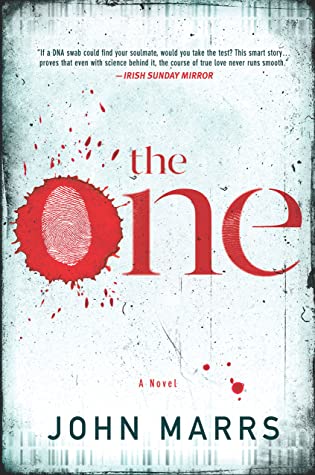
I would be remiss if I didn’t recommend a book with the exact same title: The One by John Marrs. What if there was an app that could match you to your soulmate… with DNA? But what if this app went wrong?
For this song, I’m recommending Strange the Dreamer and Muse of Nightmares by Laini Taylor. This duology has gorgeous prose, a lovely romance, and the most wonderful main character, Lazlo.
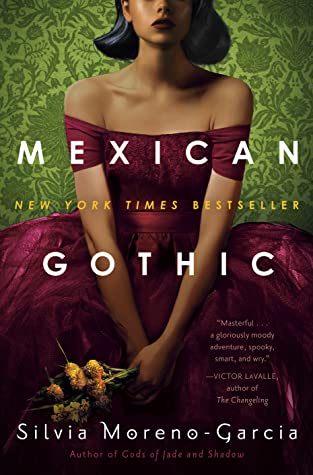
This song is about a house, a strong-willed woman, and a judging society. I recommend Mexican Gothic by Silvia Moreno-Garcia. Mexican Gothic is a 2020 release inspired by “The Yellow Wallpaper” (shout out to the sophomores reading it this year!).
If you want a series that will give you all of the feelings, I recommend The Infernal Devices by Cassandra Clare. This series is part of the giant mega Shadowhunters universe, but you don’t need to read any of the other ones in order to read this one. The Infernal Devices is my favorite series of all time, so I had to recommend it at least once. Think of 1878 London… with demon hunters!
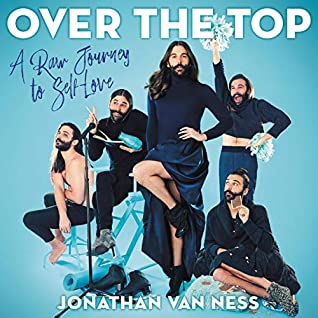
First off, I recommend Over the Top by Jonathan Van Ness. JVN (the wonderful TV personality) details their experience as a child, being bullied for being feminine and gay, but how they turned their life around to be an absolute icon.
TW: sexual abuse, drug addiction, sex addiction, cheating, bullying, homophobia, death disordered eating, mental health struggles
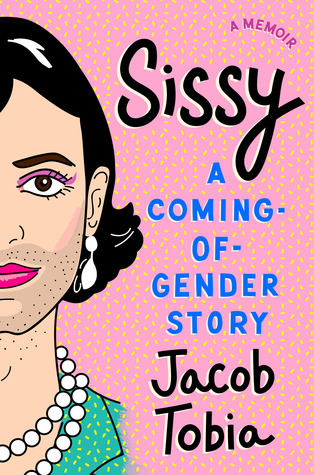
Second, I have to recommend a similar book about coming to terms with one’s gender and sexuality which is Sissy by Jacob Tobia. In this touching memoir, they discuss coming out as nonbinary while living in a highly gendered world.
TW: homophobia, transphobia, bullying, mental health struggles, violence
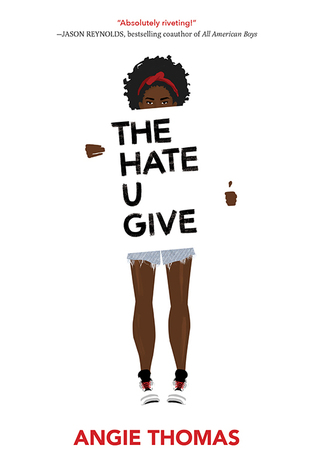
Third, I’d like to recommend a book that you may have already read, The Hate U Give by Angie Thomas. This book deals with police brutality of Black people, which is especially relevant now, with the murders of Black people, the BLM protests, and the upcoming election.
For “mirrorball,” I was particularly inspired by one line:
“I’ll show you every version of yourself tonight.”
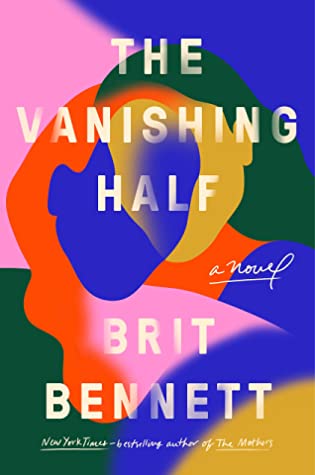
So, I picked The Vanishing Half by Brit Bennett. This novel details the lives of two twins who are Black, but white passing. One decides to live as a Black woman and the other decides to live as a white woman. We get to see the ramifications of these decisions as their lives and the lives of their children unfold.
TW: racism, colorism, domestic abuse, hate crimes, race-based violence
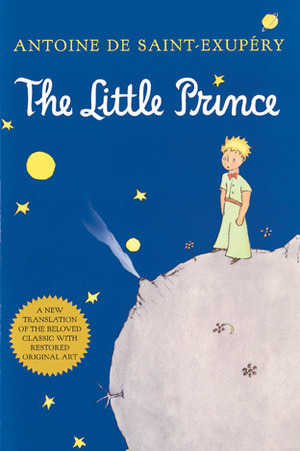
This recommendation is pretty simple: Life was better at age seven. As a little kid, your imagination can run wild, which is exactly what happens in The Little Prince by Antoine de Saint-Exupéry. If you read this in middle school, read it again. As a high schooler (or an adult), you will look at it with completely different eyes.
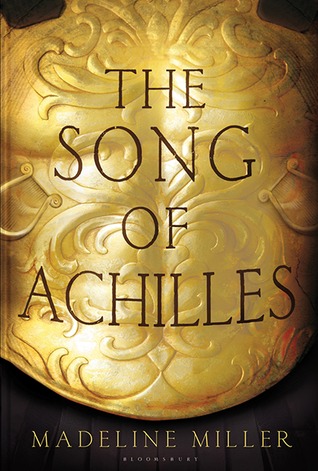
For “august,” I have a recommendation that fits the same emotions, The Song of Achilles by Madeline Miller. This book is the most incredible retelling of the Trojan War, centered around a romance between Achilles and Patroclus, our narrator. Prepare to have your heart absolutely destroyed by the ending.
TW: murder, death, slavery, abduction, abandonment, torture, mention of rape, physical violence, human trafficking, self-harm, child abuse
“They told me all of my cages were mental / So I got wasted like all my potential”
is one of the best lines I’ve ever heard in a song.
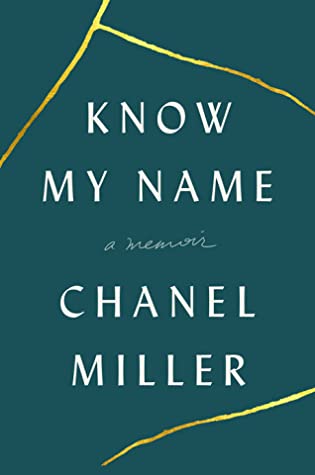
Therefore, I must recommend one of the most heartbreaking books I’ve ever read: Know My Name by Chanel Miller. In this memoir, Chanel deals with the aftermath of being sexually assaulted.
For “illicit affairs,” I would recommend Lovely War by Julie Berry. This is a historical fiction set in World War 1, following a group of four people who are brought together by music and love. Narrated by the Greek gods, this story is sure to transport you back to the past.
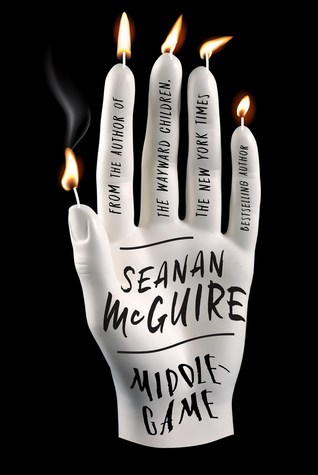
Here, I’d recommend Middlegame by Seanan McGuire. The vibes of the song and the book are completely different: The song is a slower, reflective track, and the book is weird science fiction. However, I think that the content matches. Middlegame is a novel about a duo, Roger and Dodger who are linked by special powers.
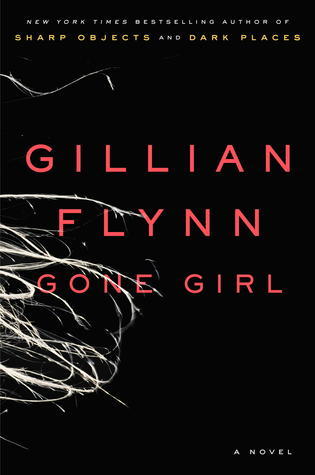
This song truly screams Gone Girl by Gillian Flynn. Gone Girl is a thriller about Nick, and his wife Amy, who goes missing. I don’t think you should know anything else about the book beforehand; it will truly take you for the most wild ride.
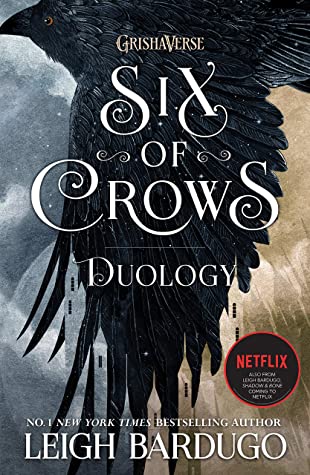
I’m going to recommend Six of Crows and Crooked Kingdom by Leigh Bardugo. I won’t say too much, but you will understand the connection after reading Crooked Kingdom.
TW: death, graphic violence, drug addiction, human trafficking, mentioned slavery
Here, I’ll recommend Everything I Never Told You by Celeste Ng. This book starts off with the death of the daughter in a family, and leads readers down a path of uncovering all of the secrets of a “perfect” family.
TW: death, drowning, emotional abuse, sexism, sexual assault, violence, racism
For a book that gives you the same feeling as “peace,” I’d recommend Radio Silence by Alice Oseman. This story, at its heart, is one of friendship and acceptance, and will leave you feeling sad but comforted. Best part is that it centers around teens in high school who are making a podcast!
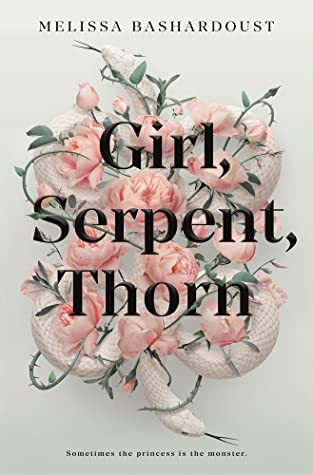
I would recommend Girl, Serpent, Thorn by Melissa Bashardoust if you want similar vibes to “hoax.” This book is a retelling of some famous Persian myths and features some very interesting and compelling characters.
Both novels depict the life of someone famous who struggles under the limelight. Evelyn Hugo is a famous actress, and Daisy Jones is part of a sensational band. These character-driven stories will pull on your heartstrings in just the way that this entire album does.
If you take any of these recommendations, please let me know. Do you agree? Disagree? –Anika Fuloria ’21
In painstaking detail, Strauss shines light on the political climate of 44 B.C. in this non-fiction, focusing on the motivations, tensions, and people involved in Caesar’s assassination on the Ides of March. In vivid prose, he brings to life the complex networking of Roman politics–a dramatic departure from the dry and factual tone of the textbooks that I am accustomed to reading for Junior Classical League (JCL).
Strauss adeptly balances intellectual rigor with broad accessibility, managing to make pages fly by without diluting their substance. I particularly enjoyed his blend of Livian day-by-day analysis in the immediate aftermath of the assassination with more episodic construction, a technique that allows him to paint broad strokes and highlight trends while still focusing deeply on pivotal moments.
I personally would give this book a deserving 4.5./5 stars, but I do think that this book only satisfies a certain niche of non-fiction history readers and might not appeal to a more general audience. However, if you’re still reading this review, I urge you to try this book! Even though this is the first of Strauss’ works that I’ve read, Strauss has earned a place among my go-to classical historians such as Mary Beard and Patrick Hunt. I look forward to reading his other works! —Review by Rupert C. ’23
Even though this was the first book I read in 2021, I’m pretty sure that this will be one of my favorites from this year. The Poppy War is a grimdark east-Asian inspired historical fantasy centers around the a young girl named Rin. She is a war orphan from the first Poppy War, raised in a poor, opium-smuggling family that treats her as a servant. Rin’s only escape from a forced marriage is to pass a merit-based exam to enter Sinegard, Nikara’s elite military academy. In a surprising shock of events, Rin places into Sinegard, but finds that the experience is not what she expects: She is isolated as a poor and dark-skinned girl from the south, but as she rises in the academy ranks, she begins to realize that the gods of legend aren’t as fictional as people think. As a war is brewing, will she be able to survive and save her nation?
Normally, novels tend to excel in one of two categories: character development or plot development. Very few manage to do both well, but The Poppy War does and does so exceptionally. All character storylines are extremely interesting to follow, and the plot is well-paced, complex, and fascinating. Rin is a determined and headstrong protagonist who makes a lot of choices that readers probably will not agree with. However, her confidence and assertiveness compels the reader to support her no matter what gory or twisted option she chooses. Each detail is action-packed and engrossing, and all the battle scenes delivered believable and heartbreaking consequences.
Lastly, this book tackles some difficult themes. It retells the Rape of Nanking, in which Japanese troops attacked China during the Second Sino-Japanese War. The impact of war on civilization is heavily discussed along with colorism and colonization. Multiple chapters delve deep into graphic scenes that involve murder, violence, and sexual assault, as well as exploring drug addiction, trauma, and self-harm. So if you do decide to try this book, please read with caution. —Review by Anika F. ’21
Lock Every Door by Riley Sager is a gothic thriller which follows Jules Larsen, who takes up a job apartment-sitting at the Bartholomew, one of Manhattan’s most mysterious buildings, after she has lost her job and boyfriend. Jules investigates the disappearance of fellow apartment sitter Ingrid and discovers the secrets of the Bartholomew.
While I normally don’t read many thrillers, this book kept me on the edge of my seat for the entirety of it with its suspenseful scenes and made me properly terrified of old buildings. The characters are likable (for the most part) and Jules is a well-developed protagonist, but the book utilizes many clichés, and I often find myself doubting the sanity of some of the characters due to their truly abysmal decisions.
Even with these flaws, I still enjoyed the majority of the plot, and Riley Sager’s writing was brilliant. The mysterious and eery tone of this book worked hand in hand with the well-thought-out plot. So, if you’re a thriller fan or just in need of a good read, I highly recommend this book for you! –Review by Varun F. ’24
We’re not supposed to do it. We are supposed to understand that the literary endeavor contained between two cardboard rectangles (or after clicking/swiping past the cover) cannot possibly be captured and accurately represented by one static image. And yet. Cover art persists and it’s kind of a big deal. The major publishing houses have large art departments composed of book designers, graphic designers, and artists who determine what we see when we are deciding what to read. Cover art decisions really boil down to marketing, and all those decisions—illustration versus photo, people versus objects or designs, minimalist versus lavish—are choices meant to indicate to the reader what to expect within. Want to hear a crazy bit of trivia? Unless authors are a really big deal (think Stephen King or J.K. Rowling) they do not get to have anything to do with their cover art. That’s right, they have no say in what their book will look like. Writers must put their trust in the publisher and hope they like the result, because that’s just how the business works.
Spend enough time looking at book covers (as a librarian inevitably will over time) and you begin to have a type of pavlovian response, likely allowing yourself to be waaayyy too much of an authority on what will be contained within. After all, there are consistent formulas and trends. Looking at a cover will tell you several things: first and foremost, the intended audience as decided by the marketers at the publishing house (it’s worth noting that ‘intended audiences’ equals who-will-this-book-appeal-to-categories which are sadly reductive and often classist, sexist, and ageist, but that is another post for another time). Other obvious cover art indicators include the genre of course, but also attributes like tone and even writing style. Book cover artwork is so pervasive, evocative, and powerful, that jaded readers run the risk of smugly glancing at a book and deciding they know exactly what awaits its reader. It’s good to remember that these types of assumptions can be proven wrong time and time again.
Having said all that, I will confess that recently I chose a book solely by its cover art. Gasp. I promise you this was a serious departure for me. So much so that it inspired this blog post! I do, at times, lean on generalizations and stereotypes regarding cover art, but I put a lot more stock in summaries and book reviews. So it was weird when I was browsing Sora a few weeks back and I kept going back to a book just to look at the cover. It just spoke to me aesthetically. I don’t really know how to explain why? It was cool, exciting, and sumptuous… Anyway. Reader, I read it. And I’m not sorry I did! Did the cover give me an idea of what to expect? Sure it did. Did the cover really have anything to do with my actual reaction to the book? Not one bit. Suffice it to say, I was a moth to a flame, and I didn’t get burned. Without further ado, the book cover artwork in all its (as subjectively judged by me) splendor:
What are your thoughts about book covers? Do you have a favorite? What does the cover art tell you? Let us know in the comments!



















 Harker US Book Blog